Renewable natural gas:
how sustainability goals become reality
Renewable natural gas (RNG) is a transportation fuel made from organic waste. It drastically reduces carbon emissions by an average of 300% versus diesel, and at a fraction of the price. Unlike conventional natural gas, renewable natural gas is not a fossil fuel and does not involve drilling.
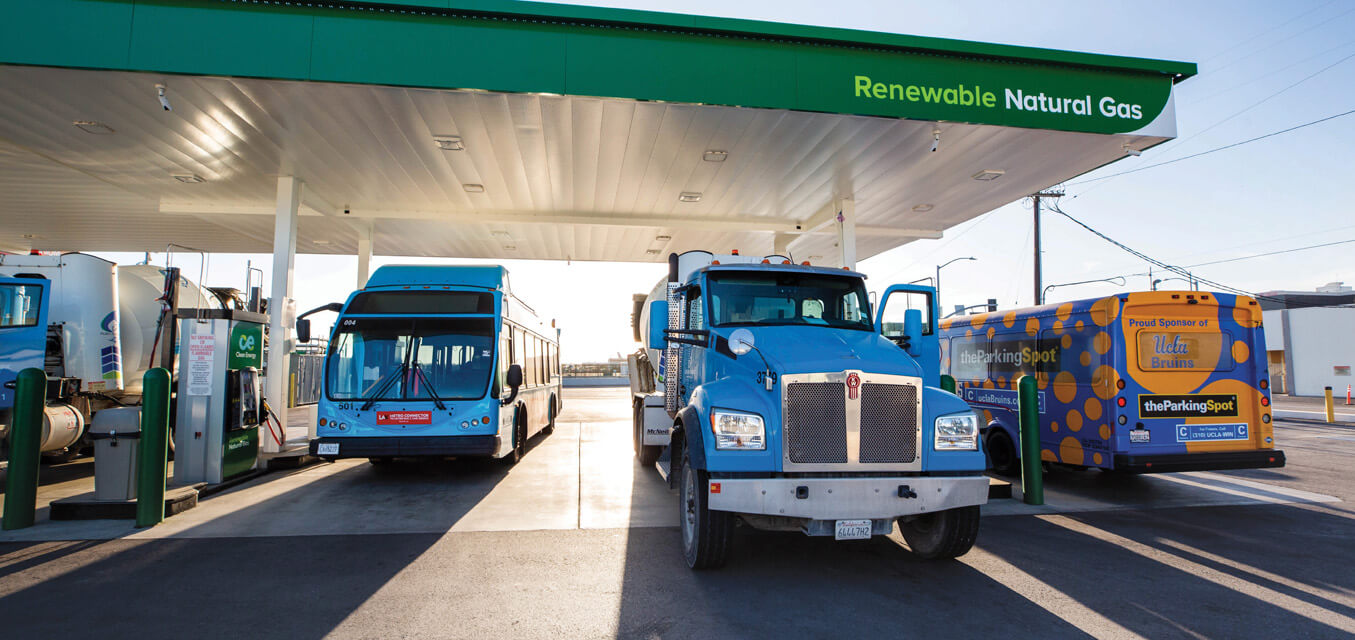
Clean Energy is the largest provider of renewable natural gas for the transportation industry in North America. Our extensive network of 600 fueling stations across the U.S. ensures convenient access for the 25,000 heavy-duty trucks, buses, and large vehicles running on RNG daily.
LEARN MORE ABOUT RNGGreenhouse gases are bad.
We make them something good.
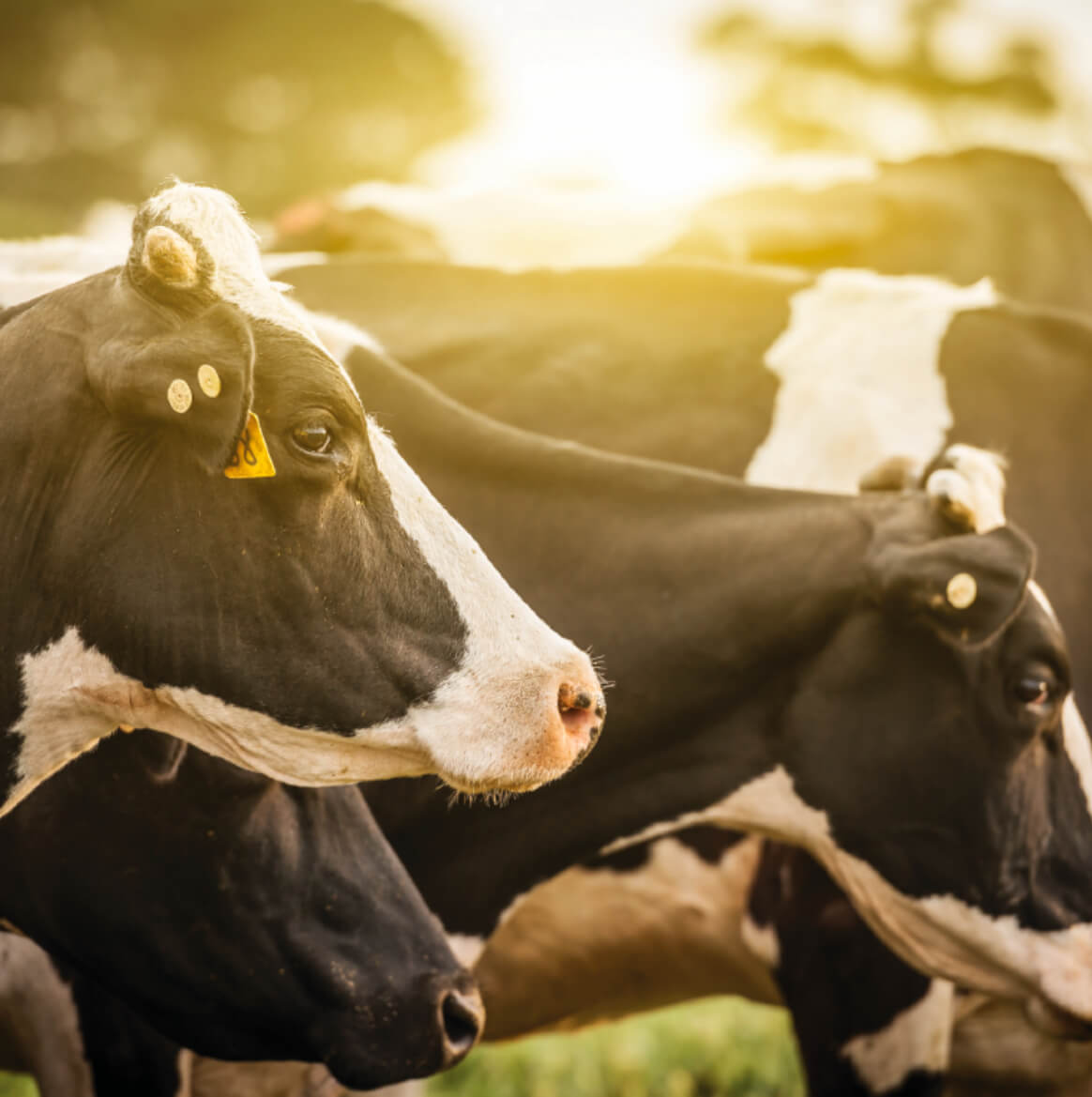

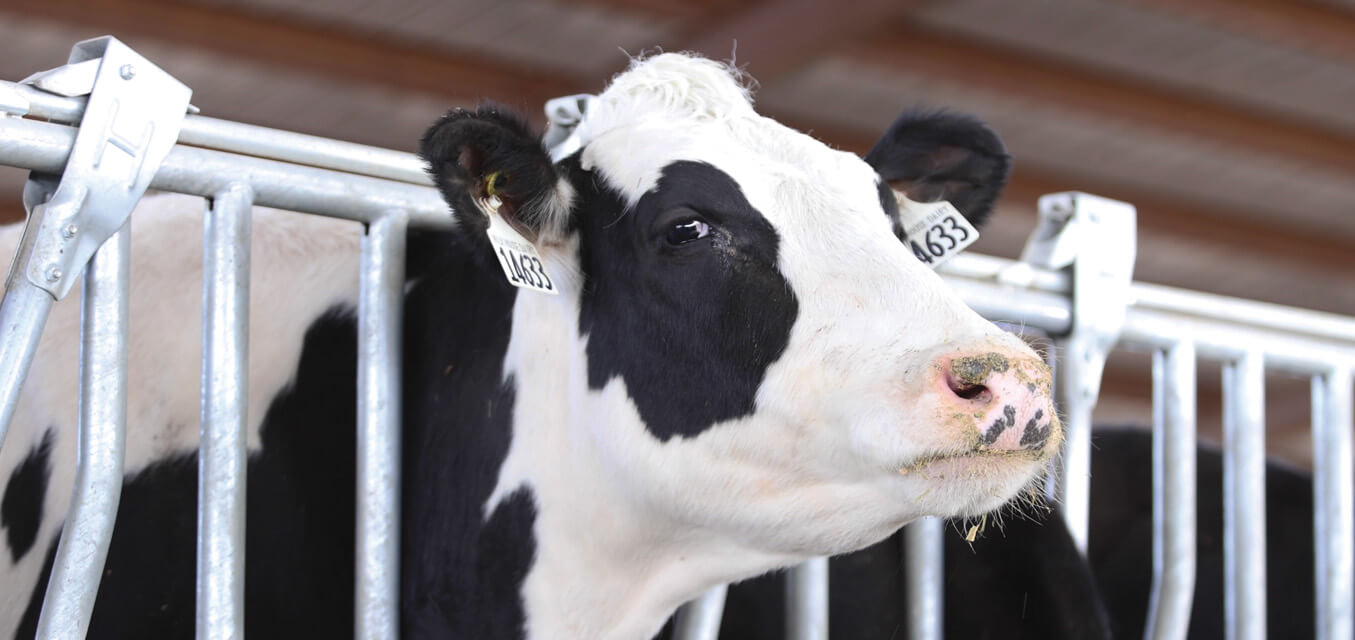
Livestock manure and landfills account for 27% of methane emissions in the U.S.
THIS IS THE SOURCE OF OUR RNG.When organic matter decays, it naturally produces methane: one of the greenhouse gases most detrimental to the environment. By capturing the methane, we prevent it from entering and damaging the atmosphere. Then, we turn it into renewable natural gas — the cleanest fuel in the world.
Solutions for dairies
The transportation industry is responsible for 28% of the total greenhouse gas emissions in the U.S.
Our ultraclean renewable natural gas powers heavy-duty trucks and buses, replacing dirty diesel and gasoline. When combined with the latest natural gas engines, renewable natural gas is a zero emissions solution certified by the EPA and the California Air Resources Board.
Solutions for fleets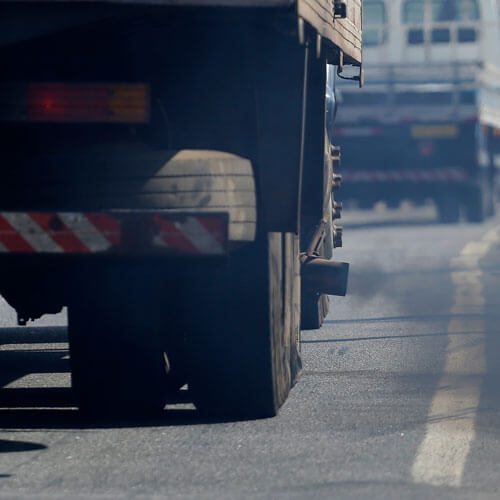
Keeps carbon out of the atmosphere.
And your green fleet on the road.
The beauty of renewable natural gas is that it reduces carbon on two fronts: at the source where it's made and on the road.
That’s why it’s able to achieve such a low carbon intensity rating. Renewable natural gas is the only alternative fuel that can avoid more emissions than it generates.
Learn moreCarbon Intensity
Source: California Air Resources Board, Q3 2023 LCFS data, and certified pathways as of January 31, 2024.
“It’s here now, it works, and it’s already near-zero, in some cases sub-zero. And the technology is relatively inexpensive compared to some of the alternatives.”